Life Timeline of Imran Khan
A comprehensive journey from his birth in Lahore to his current imprisonment
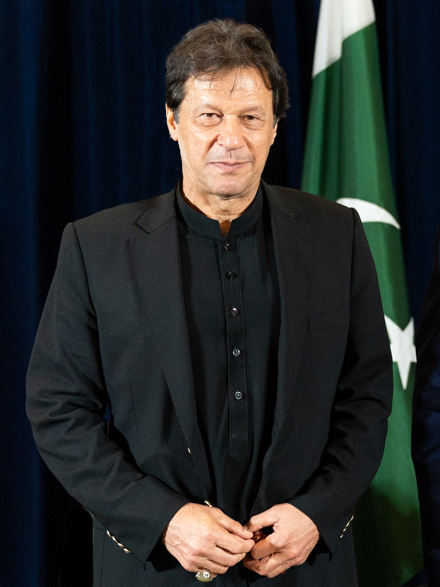
Imran Khan Niazi
Born: October 5, 1952 — Lahore, Punjab, Pakistan
Imran Khan is a Pakistani former cricketer and politician who served as the 22nd Prime Minister of Pakistan from August 2018 to April 2022. Before entering politics, he was an international cricketer and captain of the Pakistan national cricket team, which he led to victory at the 1992 Cricket World Cup. He is also known for his philanthropic work, founding the Shaukat Khanum Memorial Cancer Hospital and NAMAL University.
Early Life & Education
The formative years that shaped a future leader
Born in Lahore
Imran Khan Niazi was born into a Pashtun family in Lahore, Punjab, Pakistan. His father, Ikramullah Khan Niazi, was a civil engineer, and his mother, Shaukat Khanum, came from the prominent Burki family known for producing several cricket players.
Early Education at Aitchison College
Attended the prestigious Aitchison College in Lahore, where he first developed his passion for cricket. Influenced by his maternal cousins Javed Burki and Majid Khan, both Test cricketers.
Admitted to Keble College, Oxford
Enrolled at Keble College, University of Oxford, to study Philosophy, Politics and Economics (PPE). He played cricket for the Oxford University team and earned a Blue. Graduated in 1975.
Cricket Career (1971–1992)
From debut to World Cup glory
International Cricket Debut
Made his Test debut against England at Edgbaston at the age of 18. Initially struggled but showed immense promise as both a fast bowler and batsman.
County Cricket & Rise
Played county cricket for Worcestershire and later Sussex. Transformed into one of the world's premier all-rounders, developing his legendary reverse swing bowling technique.
Appointed Pakistan Captain
Named captain of the Pakistan cricket team. Under his leadership, Pakistan became one of the most competitive teams in world cricket.
Retirement & Comeback
Announced retirement from cricket but was persuaded by President Zia-ul-Haq to return and lead Pakistan. His comeback set the stage for Pakistan's greatest cricketing achievement.
🏆 Cricket World Cup Victory
Led Pakistan to their first-ever Cricket World Cup victory at the MCG, Australia. His famous "Cornered tigers" rallying cry inspired a team from the brink of elimination to win. He scored 72 in the final.
Retirement from Cricket
Retired on a high note. Career stats: 88 Tests, 3,807 runs, 362 wickets — Pakistan's most successful captain with a win percentage over 50%.
"I want to leave like a cornered tiger — we will fight till the last ball."
Philanthropy & Social Work (1991–2007)
Giving back to the nation that made him a hero
🏥 Shaukat Khanum Memorial Cancer Hospital
Founded the Shaukat Khanum Memorial Cancer Hospital & Research Centre in Lahore, named after his mother who died of cancer in 1985. Treats 75% of patients free of charge. Second branch opened in Peshawar in 2015.
Marriage to Jemima Goldsmith
Married British socialite and journalist Jemima Goldsmith. The couple had two sons — Sulaiman and Kasim. They divorced in 2004.
🎓 NAMAL University Founded
Established NAMAL University in Mianwali, one of the most underdeveloped areas of Punjab. Partnered with the University of Bradford, UK, providing scholarships to students from low-income families.
Political Career (1996–2022)
22 years of political struggle leading to the Prime Minister's office
🏛️ Founded Pakistan Tehreek-e-Insaf (PTI)
Launched PTI with a vision to end corruption, establish rule of law, and create a welfare state. The party struggled in its early years with limited electoral success.
First Election — Single Seat
Won a single National Assembly seat from Mianwali in the 2002 general elections with only 0.8% of votes nationally.
Historic Lahore Rally
Held a massive rally at Minar-e-Pakistan drawing hundreds of thousands. This event transformed PTI from a fringe party into a major political force, energizing the youth vote.
Second Largest Party
PTI emerged as the second-largest party by popular vote. Won 35 National Assembly seats and formed the provincial government in Khyber Pakhtunkhwa.
Azadi March & 126-Day Dharna
Led a 126-day sit-in in Islamabad demanding PM Nawaz Sharif's resignation over alleged election rigging.
🗳️ Election Victory
PTI won the 2018 general elections, securing 149 seats. Khan's 22-year political struggle culminated in victory.
🇵🇰 Sworn in as 22nd Prime Minister
Imran Khan was sworn in as the 22nd Prime Minister of Pakistan, promising a "Naya Pakistan" focused on accountability, poverty reduction, and an Islamic welfare state.
Key Government Initiatives
Launched: Ehsaas Program (largest social protection in Pakistan's history), Billion Tree Tsunami, Sehat Sahulat health cards, Kamyab Jawan youth program, Panahgahs, and WHO-praised COVID-19 "smart lockdown" strategy.
Removed via No-Confidence Motion
Ousted through a parliamentary no-confidence vote — the first PM in Pakistan's history removed this way. Khan alleged it was a US-backed regime change conspiracy.
Post-Ouster & Imprisonment (2022–Present)
The turbulent period following his removal from power
Assassination Attempt
Shot in the leg during a "Long March" in Wazirabad, Punjab. He survived but was seriously injured. Khan accused elements within the government and military of orchestrating the attack.
First Arrest & May 9 Events
Arrested by paramilitary Rangers from the Islamabad High Court premises. His arrest triggered nationwide protests with attacks on military installations. Thousands of PTI workers were arrested.
🔒 Arrested & Imprisoned
Convicted in the Toshakhana case and sentenced to 3 years. Taken to Adiala Jail in Rawalpindi. This marked the beginning of his continuous imprisonment that continues to this day.
Cipher Case & Further Convictions
Convicted in the cipher case (10 years) and Iddat case (7 years) — both just days before the February 2024 elections, barring Khan from participating.
2024 General Elections
PTI-backed independents won the most seats despite Khan's imprisonment, the crackdown, and being denied the cricket bat symbol — demonstrating his enduring popularity.
Continued Imprisonment
Khan remains in Adiala Jail. Several convictions have been suspended or overturned on appeal, but new charges keep him behind bars. International human rights organizations have called for his release.